Konjac Refined Powder 200 mesh
2. Quality assurance: Direct sourcing with strict grading and batch-by-batch testing.
3. Sample service: Free samples available for customer testing before ordering.
4. MOQ: Flexible order quantities. Minimum quantity negotiable.
5. OEM customization: Custom packaging specifications and brand labelling to suit different channel requirements.
6. After-sales service: Full order tracking from placement to delivery. Quality issues handled through negotiation. Timely after-sales response.
7. Processing methods: Wet process, white colour, high purity.
Functional properties: Rich in glucomannan with excellent gel strength, water retention, and transparency – suitable for high-demand food processing applications.
1. Product Characteristics
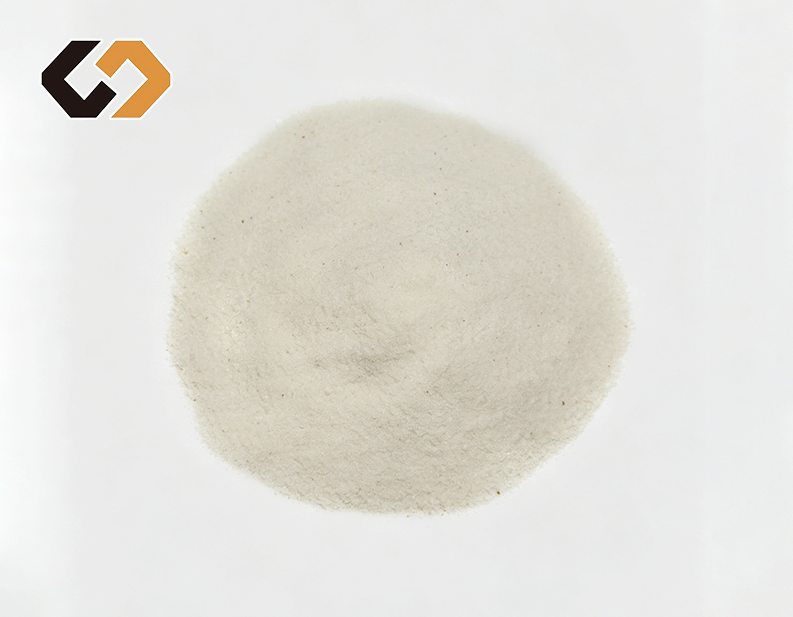
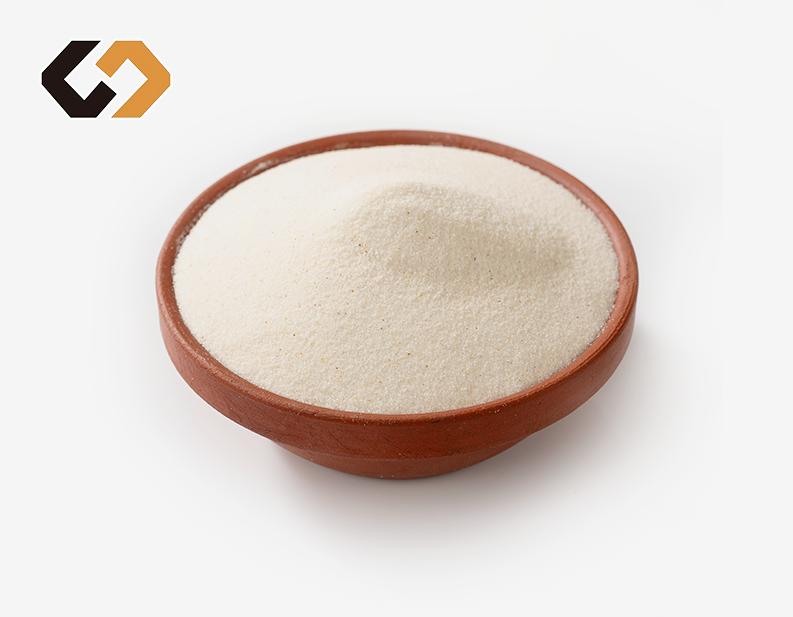
200-mesh konjac refined powder is an ultra-fine powder specification with fine, uniform particles, appearing as a white to off-white powder with no visible impurities. The 200-mesh powder has a higher specific surface area, better dispersibility, faster dissolution or dispersion in water, more thorough gelatinisation, and more uniform gel formation. The product has a slight characteristic odour of konjac. Its main component is glucomannan, which forms a high-viscosity solution when mixed with water. It shows good stability under both acidic and alkaline conditions, forming an irreversible gel after heating with high gel strength, good elasticity, excellent water retention, and relatively high transparency. It is a foundational ingredient with strong functional performance and quality in food processing.
Specifications
|
Parameter |
Specification |
|
Product Name |
Konjac Refined Powder |
|
Fineness Grade |
200 mesh |
|
Appearance |
White to off-white powder, no visible impurities |
|
Odour |
Slight characteristic odour of konjac |
|
Main Component |
Glucomannan |
|
Solubility |
Good dispersibility, fast dissolution rate |
|
Gel Properties |
High gel strength, good elasticity, high transparency |
|
Packaging |
Customised upon request |
3. Uses
With its high fineness, gel strength, and transparency as key advantages, 200-mesh konjac refined powder offers a clear differentiation from the 120-mesh grade. The 120-mesh grade focuses on traditional flour product improvement and basic thickening, while the 200-mesh grade focuses on premium gel foods and compounding applications.
Premium gel foods: The 200-mesh powder offers more thorough gelatinisation, higher gel strength, and better transparency, making it suitable for jellies, puddings, konjac jellies, and vegan caviar. The finished products are crystal clear with a superior texture.
Meat products and plant-based meat alternatives: Suitable for premium ham, luncheon meat, surimi products, plant-based meat, and plant-based abalone. The ultra-fine powder mixes more evenly with meat batter, providing good elasticity and water retention, with improved slicing characteristics.
Compound food gels: Used synergistically with carrageenan, xanthan gum, guar gum, and other ingredients, providing combined thickening and gelling effects. The 200-mesh powder disperses more evenly in compound systems for more stable results.
Solid beverages and meal replacement powders: Suitable for functional solid beverages and meal replacement powders. The high fineness ensures good dry mixing uniformity and a smooth mouthfeel with no grittiness after reconstitution.
4. Usage Scenarios
Jelly and pudding manufacturers: Used in the production of jellies, puddings, and konjac jellies. The 200-mesh powder provides high gel transparency and good texture for high-quality jelly products.
Meat product and plant-based meat processors: Used in premium ham, plant-based meat, plant-based abalone, and other plant-based meat products. The ultra-fine powder mixes evenly, providing good elasticity and water retention.
Compound food additive companies: Used in the production of compound thickeners and compound gelling agents. The 200-mesh powder offers excellent dispersibility and stability in compound systems.
Health food and meal replacement companies: Used in functional solid beverages, meal replacement powders, and meal replacement bars. The high fineness ensures no grittiness, making it suitable for high-quality powder products.
5. Material (Origin & Raw Material)
Konjac refined powder uses konjac corms as raw material. Konjac is widely cultivated in China, with production in Shaanxi, Sichuan, Yunnan, Guizhou, and other provinces. Konjac corms are rich in glucomannan, a high-molecular-weight non-ionic mannan with good thickening, gelling, and film-forming properties.
Konjac corms must be harvested after full growth, as corm size and maturity directly affect the glucomannan content and product quality of the refined powder.
6. Production Process
200-mesh konjac refined powder is produced using the wet processing method. Fresh konjac is washed and peeled, then ground with food-grade alcohol added as a protective agent to prevent glucomannan from swelling in water. The mixture then undergoes separation, washing, dehydration, and drying. After drying, the powder is finely sieved through a 200-mesh screen to ensure it meets the 200-mesh fineness standard. The wet process produces a refined powder with a white colour, high glucomannan content, and good purity, suitable for applications requiring high quality standards.
7. Quality Control
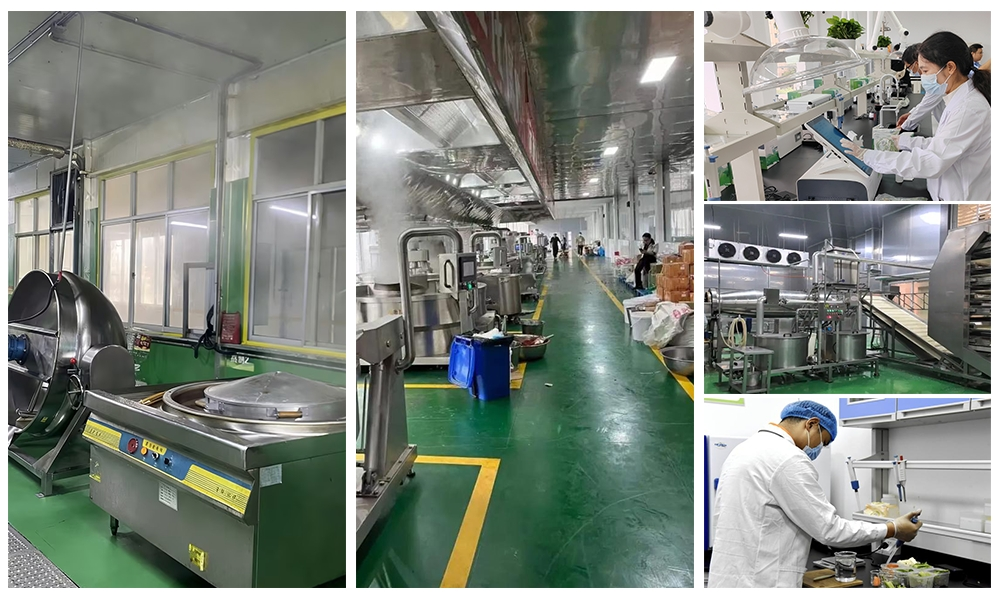
Raw material sourcing: Selection of fully mature, well-shaped konjac corms.
Processing control: Wet process with control of alcohol concentration and drying temperature to prevent glucomannan gelatinisation and denaturation.
Fineness control: Passing through a 200-mesh sieve to ensure uniform fineness.
Final inspection: Colour, fineness, viscosity, gel strength, and other indicators tested on each batch.
8. Packaging & Shipping
Packaging: Standard export packaging uses food-grade paper-plastic composite bags or kraft paper bags with food-grade moisture-proof liners to ensure protection against moisture and contamination during transit. Depending on the fineness specification and customer requirements, standard packaging is 25kg/bag or 20kg/bag. Custom packaging is available upon request, including small household packs (e.g., 1kg/pack, 500g/pack), retail packs, and industrial bulk packaging.
Shipping: Sea freight, air freight, and rail transport are all available, with delivery to major domestic ports and overseas destinations. Shipments are made directly from the place of origin, with full traceability throughout the logistics chain to ensure safe and on-time delivery. Konjac refined powder must be stored in a dry, cool, and well-ventilated place, protected from moisture to prevent caking. Moisture-proof container shipping is recommended.
9. Delivery & Samples
Sample Service: Free samples (approximately 200–500g) are available and can be sent to your designated address. You are welcome to conduct your own inspections before placing an order. Samples are randomly selected from actual stock to ensure they match the batch shipment.
Lead Time: Orders are normally dispatched within 5–7 working days after confirmation. Large orders can be scheduled by negotiation. LCL consolidation is supported to accommodate mixed orders and flexible purchasing needs.
MOQ: Flexible order quantities – both small trial orders and bulk custom orders are welcome, negotiable based on actual requirements.

10. After-Sales Service
End-to-end follow-up: A dedicated representative will track your order from placement to delivery, providing real-time updates on shipping status.
Quality guarantee: If any quality issues are confirmed upon verification (such as non-compliant fineness, abnormal colour, or insufficient gel strength), returns or replacements will be negotiated.
Quick response: Responses to any feedback or issues are provided within 24 hours.
Long-term partnership: Stable quality and sufficient supply throughout the year, with consistent availability in both peak and off-peak seasons.
11. Certifications & Compliance
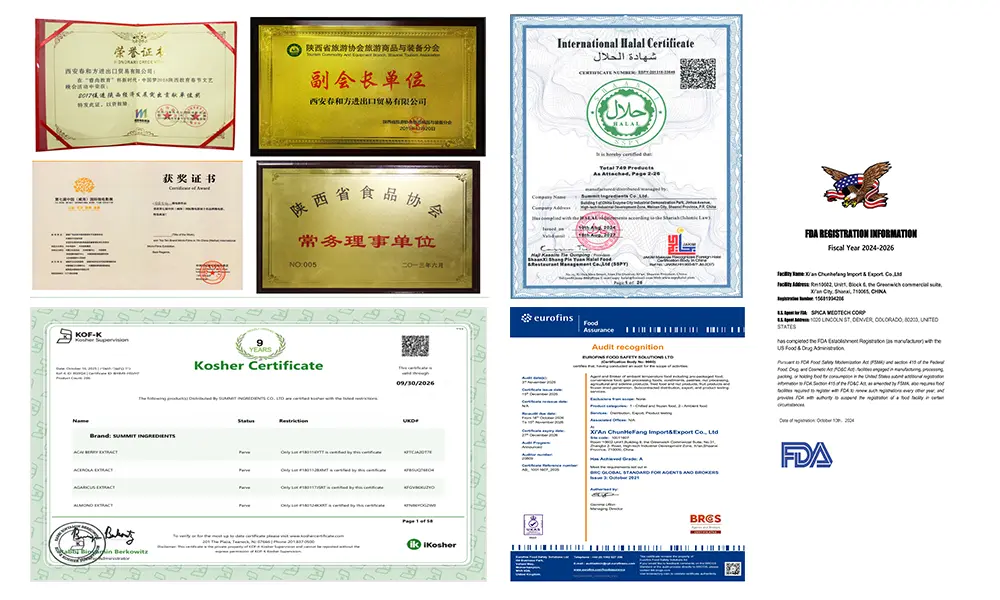
Qualified for export commodity inspection, with full support for customs declaration and clearance
Products sourced from core konjac-growing regions in Shaanxi/Sichuan/Yunnan, with traceable raw materials
Certificates of Origin, quality inspection reports, health certificates, and other documents available upon request
Products comply with requirements for food additives or general food ingredients
12. Exhibitions
13. FAQ
Q1: What is the minimum order quantity?
A: Flexible order quantities are supported – specifics can be negotiated.
Q2: Do you offer custom packaging and OEM services?
A: Yes. Packaging specifications, brand labels, and other customisations are available – feel free to discuss your requirements.
Q3: What is the shelf life of konjac refined powder?
A: 2 years. Products must be stored in a cool, dry, well-ventilated place, protected from moisture to prevent caking.
Q4: Can I get a sample?
A: Yes, samples are provided free of charge – you only need to cover the shipping cost.
Q5: What is the difference between 120-mesh, 200-mesh, and 300-mesh?
A: Mesh size indicates powder fineness – the higher the mesh number, the finer the powder. 120-mesh is a basic fineness, suitable for flour product improvement and traditional konjac food processing. 200-mesh is an ultra-fine powder, suitable for premium gel foods and meat product applications. 300-mesh is an extremely fine powder, suitable for functional beverages, plant-based foods, and cosmetics where higher fineness is required.
Q6: What is the difference between dry and wet processing?
A: The dry process has lower production costs, but the product colour is slightly darker with relatively more impurities. The wet process produces a refined powder with a whiter colour and higher purity, suitable for applications where quality standards are higher, but at a relatively higher cost.