Matcha A
2. Quality assurance: Direct sourcing with strict grading and stable quality.
3. Sample service: Free samples available for customer testing before ordering.
4. MOQ: Flexible order quantities. Minimum quantity negotiable.
5. OEM customization: Custom packaging specifications and brand labelling to suit different channel requirements.
6. After-sales service: Full order tracking from placement to delivery. Quality issues handled through negotiation. Timely after-sales response.
7. Processing methods: Shade-grown cultivation, steam sterilization, low-temperature grinding – in line with core matcha processing techniques.
Origin advantage: Sourced from Zhejiang core matcha-producing regions in China, with guaranteed quality.
1. Product Characteristics
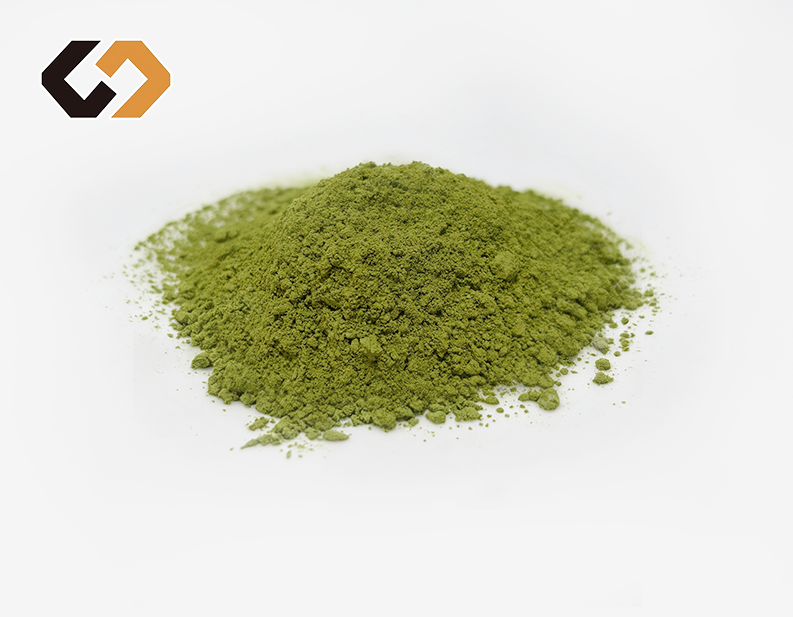
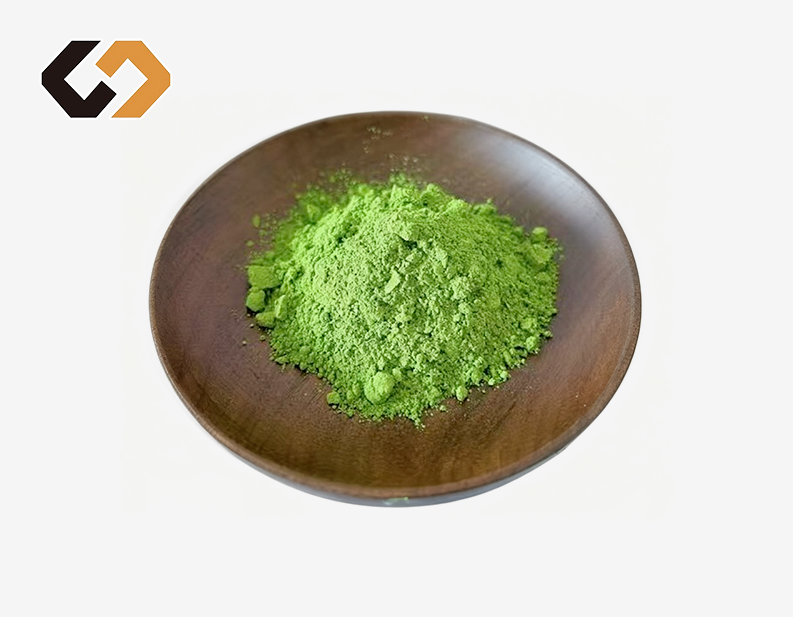
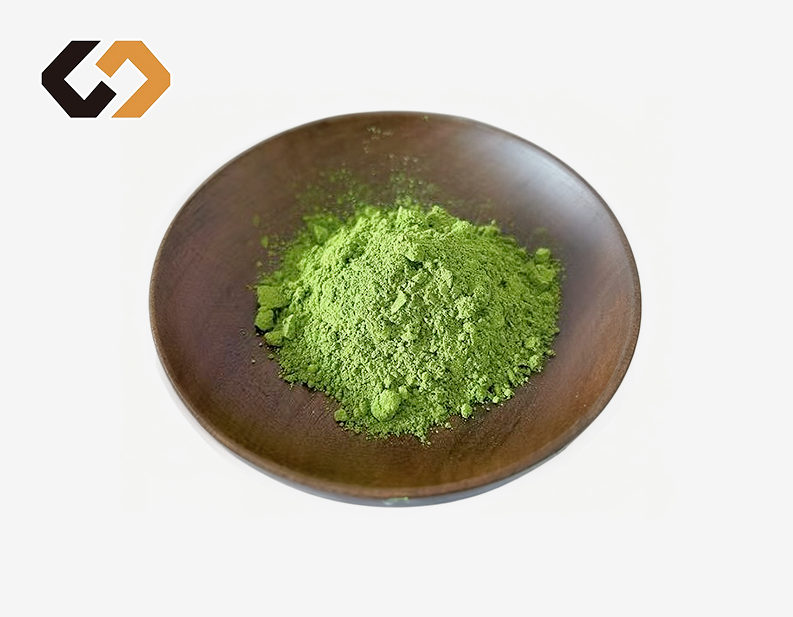
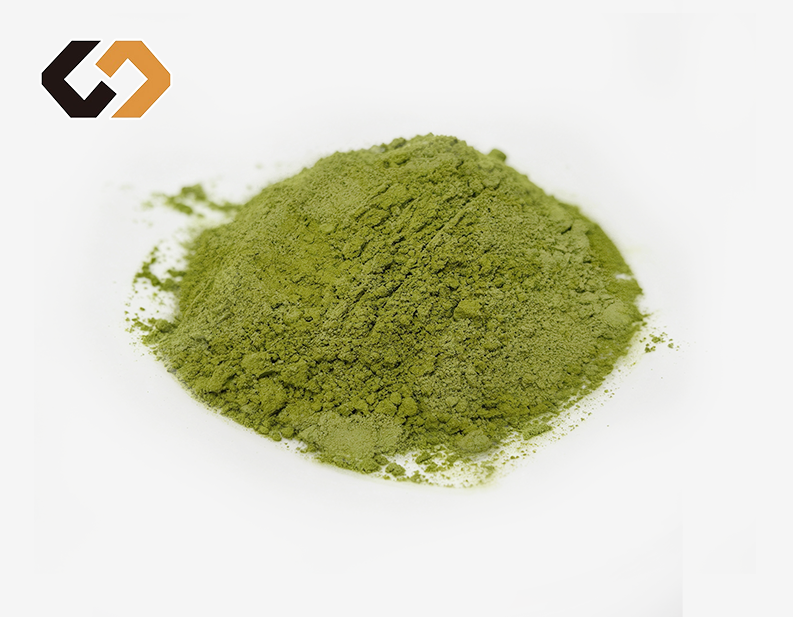
Grade A matcha powder is produced in core production regions such as Zhejiang, using spring-harvested, shade-grown tea leaves as raw material. The powder has a light green colour with moderate brightness. It is relatively fine, with slight clumping that is easy to break apart. It has a fresh bean aroma and a mild, gentle tea fragrance that is not overpowering. When brewed, the tea has a refreshing taste with a light tea flavour and mild sweetness. The overall flavour is light and subtle, with no noticeable bitterness. Grade A matcha is an entry-level grade in the matcha classification system, suitable for applications where matcha flavour is not the primary focus and where colouring and providing a basic tea taste are the main purposes.
Specifications
|
Parameter |
Specification |
|
Product Name |
Grade A Matcha Powder |
|
Raw Material Type |
Green tea (shade-grown, steam-sterilised) |
|
Origin |
Zhejiang |
|
Colour |
Light green, moderate brightness |
|
Aroma |
Fresh bean aroma, mild tea fragrance |
|
Taste |
Refreshing, light tea flavour, mild sweetness |
|
Powder Texture |
Relatively fine, slight clumping, easy to break apart |
|
Packaging |
Customised upon request |
3. Uses
With value for money as its core advantage, Grade A matcha is suited for colouring, flavouring, and basic tea beverage applications, offering a clear differentiation from higher-grade matcha.
Beverage colouring and flavouring: Grade A matcha is suitable for beverages where colour is important but strong tea flavour is not required, such as matcha-flavoured frappes and matcha lemon tea. The light green colour provides a soft visual effect in beverages.
Baking colouring: Used for colouring biscuits, cakes, bread, and other baked goods, giving finished products a light green appearance. The mild tea flavour does not overpower the original butter or egg flavours of baked products.
Cost-effective flavouring: As a cost-control solution for matcha flavour, suitable for bulk production where high matcha quality is not a priority, such as matcha-flavoured candies and matcha sauces. The clear price advantage helps control raw material costs.
4. Usage Scenarios
Grade A matcha is suitable for various production scenarios where cost sensitivity and moderate matcha quality requirements are key considerations.
Basic matcha beverages at drink shops: Used for basic matcha drinks such as matcha frappes and matcha lemon tea. The mild tea flavour appeals to a broad range of tastes, with controllable production costs and flexible pricing.
Baking colouring: Used for baked goods where matcha colour is desired but strong tea flavour is not, such as matcha-flavoured macarons and matcha cream cake rolls. The soft light green colour does not overpower other ingredients.
Bulk purchasing by food processing companies: Used as a raw material for matcha-flavoured candies, matcha sauces, and matcha-flavoured dairy products, suitable for large-volume purchasing to reduce costs.
Entry-level household use: The affordable price makes Grade A matcha suitable for matcha beginners to try, for home baking and beverage making.
5. Material (Origin & Raw Material)
Produced in core matcha-producing regions such as Zhejiang.Zhejiang is home to the main drafters of China's national matcha standard, with a well-established matcha industry chain and a rich tea culture heritage.
Grade A matcha uses shade-grown tea leaves as raw material. Shade nets are used before harvesting to allow chlorophyll accumulation and reduce bitter components. Spring-harvested tea leaves are selected and processed through steam sterilization to lock in colour and aroma. Grade A matcha uses slightly less tender raw materials than higher-grade products but still follows the core processes of shade-growing and steam sterilization.
6. Production Process
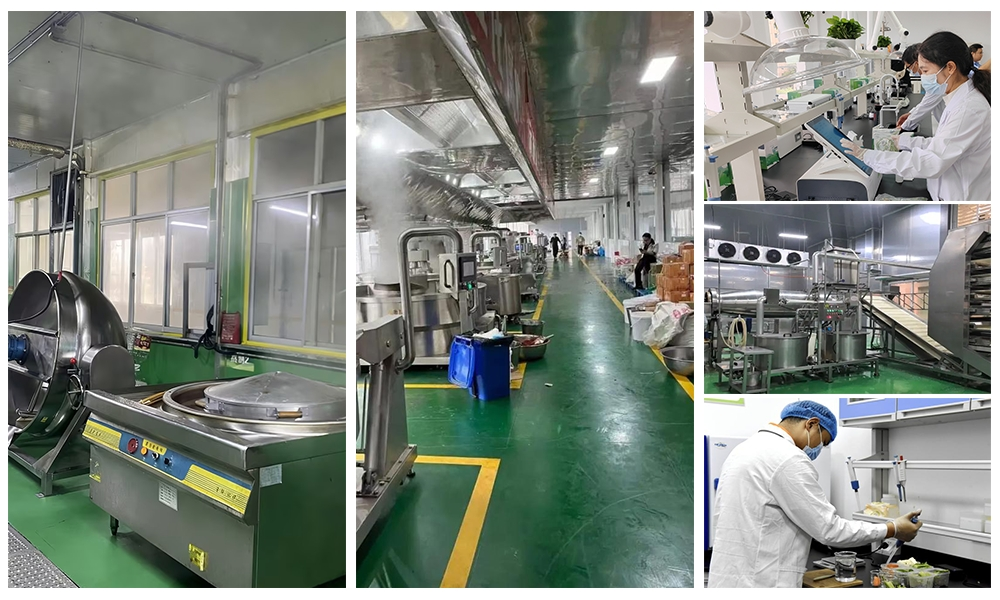
Tencha processing: The fresh leaves undergo steam sterilization, cooling and spreading, roasting and drying, and stem and vein removal. Steam sterilization is a critical step in creating the bright green colour and seaweed aroma, instantly inactivating oxidative enzymes to lock in chlorophyll.
Superfine grinding: After air separation and impurity removal, the tencha is superfine-ground at low temperatures to prevent heat from damaging colour and aroma. Grade A matcha achieves superfine powder standards.
7. Quality Control
Raw material sourcing: Selection of shade-grown tea leaves; old and yellow leaves removed.
Colour control: Light green colour; no yellowing or browning.
Fineness control: Powder meets superfine powder standards.
Final inspection: Colour, aroma, fineness, impurities, and other indicators checked.
8. Packaging & Shipping
Packaging: Standard export packaging uses food-grade composite bags or cartons with food-grade moisture-proof liners to ensure protection against moisture, light, and oxidation during transit. Custom packaging is available upon request, including small household packs (e.g., 30g/tin, 50g/bag), retail packs, industrial bulk packaging, and premium gift boxes.
Shipping: Sea freight, air freight, and rail transport are all available, with delivery to major domestic ports and overseas destinations. Shipments are made directly from the place of origin, with full traceability throughout the logistics chain to ensure safe and on-time delivery. Matcha requires protection from moisture, light, and high temperatures – light-proof and moisture-proof packaging is recommended for transport.
9. Delivery & Samples
Sample Service: Free samples (approximately 50–100g) are available and can be sent to your designated address. You are welcome to conduct your own inspections before placing an order. Samples are randomly selected from actual stock to ensure they match the batch shipment.
Lead Time: Orders are normally dispatched within 5–7 working days after confirmation. Large orders can be scheduled by negotiation. LCL consolidation is supported to accommodate mixed orders and flexible purchasing needs.
MOQ: Flexible order quantities – both small trial orders and bulk custom orders are welcome, negotiable based on actual requirements.

10. After-Sales Service
End-to-end follow-up: A dedicated representative will track your order from placement to delivery, providing real-time updates on shipping status.
Quality guarantee: If any quality issues are confirmed upon verification (such as abnormal colour, inconsistent aroma, or non-compliant fineness), returns or replacements will be negotiated.
Quick response: Responses to any feedback or issues are provided within 24 hours.
Long-term partnership: Stable quality and sufficient supply throughout the year, with consistent availability in both peak and off-peak seasons.
11. Certifications & Compliance
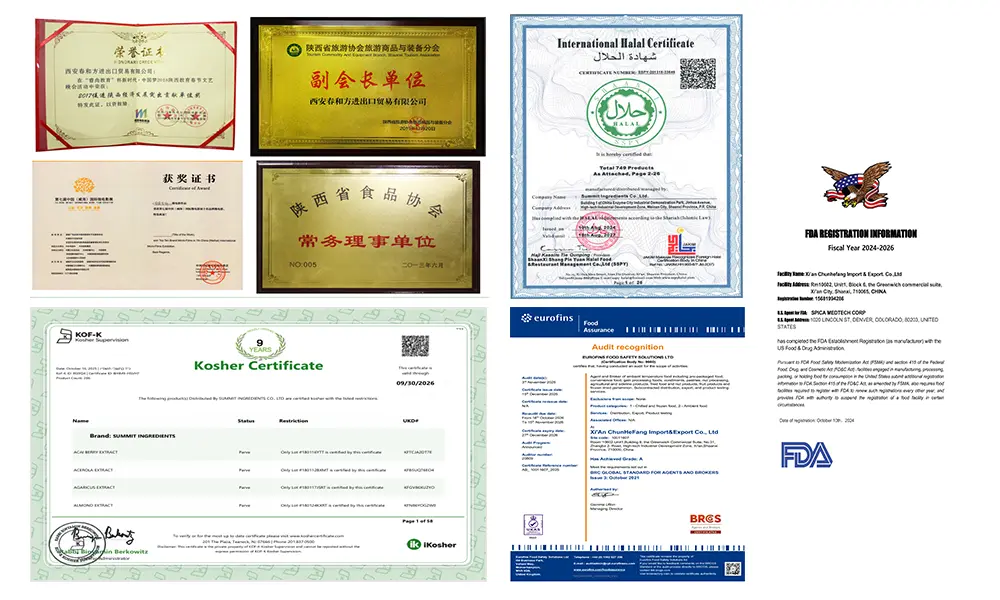
Qualified for export commodity inspection, with full support for customs declaration and clearance
Products sourced from core matcha-producing regions as Zhejiang, with raw materials traceable to specific plantations
Certificates of Origin, quality inspection reports, health certificates, and other documents available upon request
12.Exhibitions
13. FAQ
Q1: What is the difference between matcha and regular green tea powder?
A: Matcha and green tea powder are fundamentally different. Matcha is made from shade-grown tea leaves that are steam-sterilised, dried into tencha, and then ground into a fine powder. It has a vibrant green colour, a distinctive seaweed aroma, and a fresh, mellow taste without bitterness. Regular green tea powder is made by directly grinding ordinary pan-fired or roasted green tea into powder – it tends to be more yellow in colour, with a flat aroma and noticeable bitterness. Matcha is a specific category of green tea powder – not all green tea powders can be called matcha.
Q2: Where does the "seaweed aroma" of matcha come from?
A: The seaweed aroma is a characteristic feature of matcha, derived from shade cultivation. Shade nets are used to cover the tea plants for 15–20 days before harvesting, with a shading rate of over 98%, promoting the accumulation of amino acids (especially L-theanine) while reducing polyphenols and bitter components. The steam sterilization process further locks in chlorophyll and aromatic compounds, ultimately creating the vibrant green colour and seaweed aroma unique to matcha.
Q3: What is the minimum order quantity?
A: Flexible order quantities are supported – specifics can be negotiated.
Q4: Do you offer custom packaging and OEM services?
A: Yes. Packaging specifications, brand labels, and other customisations are available – feel free to discuss your requirements.
Q5: What is the shelf life of matcha?
A: 12–24 months. Matcha must be stored in a cool, dry, light-protected place. Once opened, it is recommended to keep it sealed and refrigerated.
Q6: Can I get a sample?
A: Yes, samples are provided free of charge – you only need to cover the shipping cost.
Q7: How should matcha be properly prepared?
A: It is recommended to use hot water at approximately 70–80°C, with a ratio of 1.5–2g of matcha powder to 60–80ml of water. Whisk vigorously in an "M" shape using a bamboo whisk until a fine, dense foam forms on the surface, then drink directly. For matcha lattes, first mix the matcha powder with a small amount of hot water, then pour in milk heated to 60–70°C.