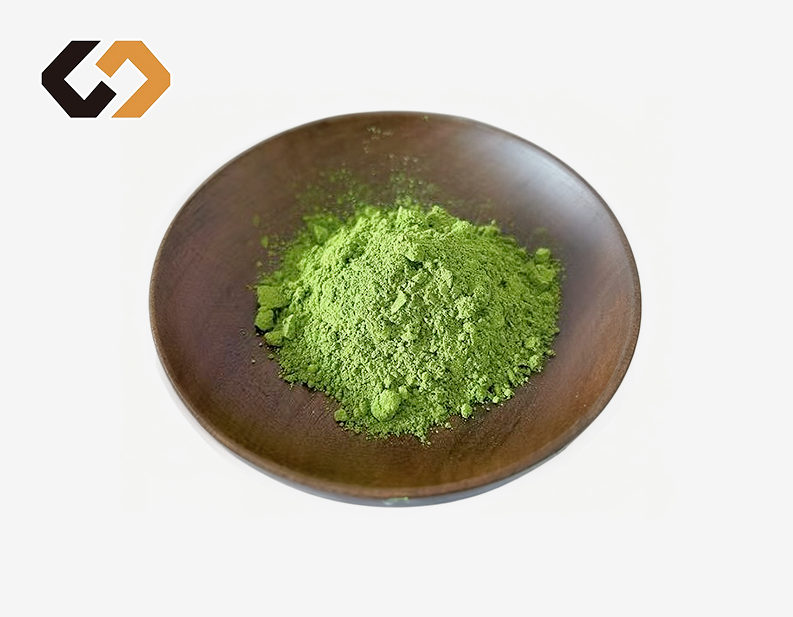
In recent years, matcha has seen rapidly growing popularity in the global food and beverage market, expanding from traditional tea consumption into baked goods, ice cream, chocolate, meal replacement powders, and many other categories. For B2B food ingredient buyers, matcha is not just a flavouring agent – it is a functional ingredient that adds value to finished products.
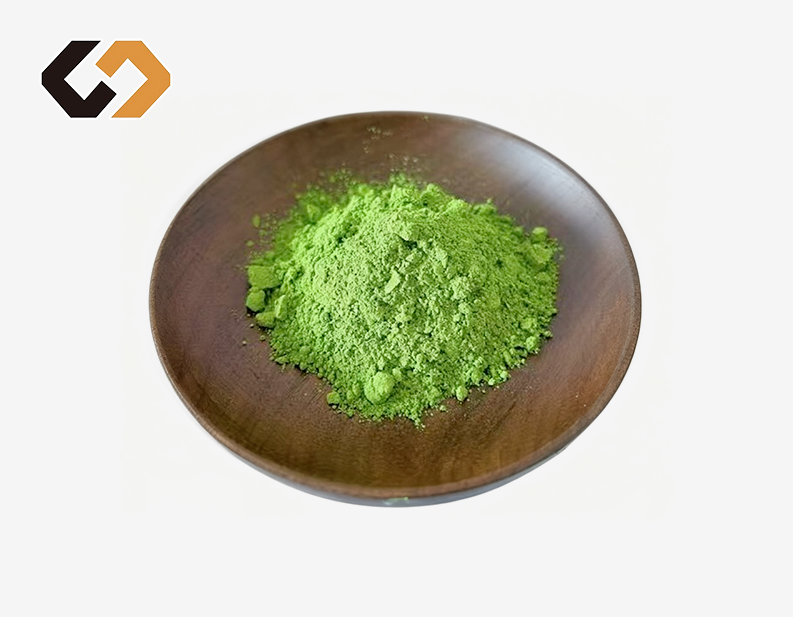
There is a fundamental difference between matcha and regular green tea powder. According to the Chinese national standard GB/T 34778-2017 for matcha, matcha is defined as a superfine powder made from shade-grown tea leaves that are steam-killed, dried into tencha, and then ground. Shade covering for approximately 20 days before harvest significantly increases chlorophyll and amino acid content while reducing bitter compounds. This is what gives matcha its vibrant green colour, distinctive seaweed aroma, and fresh, mellow taste without bitterness.
Guizhou Tongren and Zhejiang are the core matcha-producing regions in China. Tongren, in particular, benefits from the unique ecological conditions of the Mount Fanjing World Natural Heritage site, and has developed 140,000 mu (over 9,300 hectares) of high-quality tea gardens meeting EU standards. The region’s annual matcha output ranks among the highest in China, with products exported to 54 countries and regions including Germany, Sweden, the United States, and Japan.
For food processors, matcha offers multiple benefits across various applications. In baking, matcha provides a natural green colour and fresh tea aroma to cakes, cookies, and bread. In ice cream and desserts, it balances sweetness and adds a refreshing finish. In meal replacement powders and instant beverages, matcha serves dual functions as a natural colouring and a flavour enhancer.
When sourcing matcha, buyers should pay attention to key indicators such as colour, fineness, aroma, and pesticide residue levels. Higher fineness (the national standard requires particle size D60 ≤ 18 μm) results in a smoother, grit-free mouthfeel. A more pronounced seaweed aroma indicates proper shade cultivation and steaming techniques. Choosing suppliers that have passed SGS EU certification and comply with pesticide residue limits in destination countries helps ensure product compliance and brand credibility.
Key Takeaway: As a food ingredient that combines natural colouring, flavour enhancement, and functional properties, matcha offers broad application opportunities in the snack food and health food sectors.
Keywords: matcha powder suppliers, matcha for baking, EU standard matcha export, Guizhou matcha supplier, matcha wholesale