KNOWLEDGE LIST
185 paper-shell walnuts, Xinjiang walnuts, China walnut suppliers
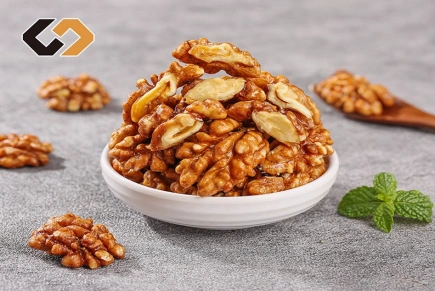
For international buyers sourcing nuts, the 185 paper-shell walnut from Xinjiang, China, has emerged as a standout choice due to its exceptional kernel yield and ease of cracking. Unlike traditional walnut varieties that require nutcrackers, the 185 variety features a shell thickness of just 0.6–0.8 mm, allowing it to be opened by hand with minimal effort. This unique characteristic not only reduces processing costs for food manufacturers but also enhances the consumer experience for retail products.
Xinjiang’s Aksu region offers ideal growing conditions, with long daylight hours, significant temperature variation between day and night, and irrigation from Tianshan mountain snowmelt. These factors contribute to the walnut’s plump kernels, golden colour, and sweet, non-bitter taste, which is highly valued in both the baking and confectionery industries. For B2B buyers, the consistency in quality and high output rate make the 185 variety a reliable choice for bulk procurement and private-label packaging.
Key Takeaway: When sourcing walnuts, prioritising varieties with documented quality standards and traceable origins ensures product consistency and builds consumer trust.
Keywords: China walnut manufacturers, bulk walnut suppliers, 185 walnut price, Xinjiang walnut export
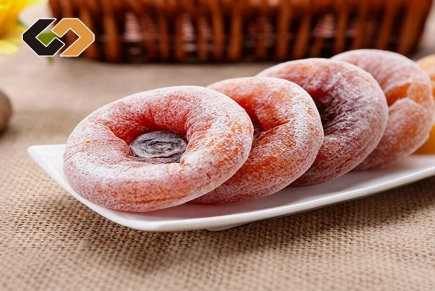
Fuping persimmon cakes, produced in Shaanxi Province, represent a premium category in the global dried fruit market, distinguished by their unique processing method and high quality. The production process, designated as a protected geographical indication, involves hanging the persimmons to dry naturally over 30–40 days, followed by a curing process that allows natural white frost (glucose crystals) to form on the surface a hallmark of authenticity.
The hanging drying method produces a soft, chewy texture with a honey-like centre, while the flat-pressed method yields a denser, more concentrated sweetness. Both varieties are sourced from the Fuping, a cultivar specifically suited for this process due to its high sugar content and firm flesh. For international buyers, the product’s shelf life of 6–9 months and compatibility with cold-chain logistics make it suitable for export to markets in Europe, North America, and Southeast Asia.
Consumer demand for natural, additive-free snacks has driven interest in persimmon cakes, which contain no added sugar or preservatives. As a seasonal product (harvested between November and February), securing supply agreements with certified producers ensures year-round availability. Exporters should verify that suppliers hold necessary certifications, such as FDA registration or HACCP, to facilitate customs clearance .
Key Takeaway: Authentic Fuping persimmon cakes offer a unique value proposition for buyers seeking premium, artisan dried fruits with a strong regional heritage.
Keywords: Fuping persimmon cake suppliers, dried persimmon export, China persimmon cake wholesale

For international buyers navigating the Chinese food export market, quality assurance and regulatory compliance are top priorities. With China’s status as a major producer of nuts, dried fruits, and agricultural powders, establishing a reliable sourcing strategy is key to mitigating risks and ensuring product consistency. This requires a focus on three core areas: supplier certifications, quality control processes, and supply chain transparency.
Firstly, verifying that suppliers hold internationally recognised certifications is crucial. Look for FDA registration, BRCGS certification, and SGS inspection support, which indicate adherence to global food safety standards. These certifications not only facilitate customs clearance but also demonstrate the supplier’s commitment to quality. For products like walnuts and jujubes, compliance with ISO 22000 or HACCP adds an extra layer of assurance for downstream buyers .
Secondly, the supplier’s in-house quality control measures should be evaluated. This includes raw material sourcing from known origins (e.g., Xinjiang for nuts and dates), in-process inspections during production, and thorough final inspections before shipment. A documented quality control process ensures that each batch meets agreed specifications, reducing the risk of costly returns or customer dissatisfaction.
Finally, transparency in the supply chain, including traceability back to the farm or production base, builds trust. Reputable suppliers provide certificates of origin, pest control records, and detailed product specifications. Flexibility in service—such as responsive after-sales support, sample testing, and custom packaging options further enhances the partnership. By prioritising these factors, importers can build a resilient supply chain that supports business growth and brand reputation .
Key Takeaway: A systematic approach to supplier verification, quality control, and transparent communication is essential for successful food sourcing in China.
Keywords: China food export compliance, FDA certified food supplier, BRCGS food manufacturer, bulk food sourcing China
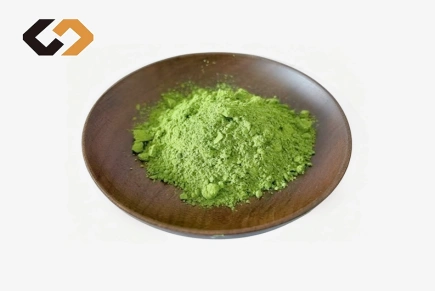
In recent years, matcha has seen rapidly growing popularity in the global food and beverage market, expanding from traditional tea consumption into baked goods, ice cream, chocolate, meal replacement powders, and many other categories. For B2B food ingredient buyers, matcha is not just a flavouring agent – it is a functional ingredient that adds value to finished products.
There is a fundamental difference between matcha and regular green tea powder. According to the Chinese national standard GB/T 34778-2017 for matcha, matcha is defined as a superfine powder made from shade-grown tea leaves that are steam-killed, dried into tencha, and then ground. Shade covering for approximately 20 days before harvest significantly increases chlorophyll and amino acid content while reducing bitter compounds. This is what gives matcha its vibrant green colour, distinctive seaweed aroma, and fresh, mellow taste without bitterness.
Guizhou Tongren and Zhejiang are the core matcha-producing regions in China. Tongren, in particular, benefits from the unique ecological conditions of the Mount Fanjing World Natural Heritage site, and has developed 140,000 mu (over 9,300 hectares) of high-quality tea gardens meeting EU standards. The region’s annual matcha output ranks among the highest in China, with products exported to 54 countries and regions including Germany, Sweden, the United States, and Japan.
For food processors, matcha offers multiple benefits across various applications. In baking, matcha provides a natural green colour and fresh tea aroma to cakes, cookies, and bread. In ice cream and desserts, it balances sweetness and adds a refreshing finish. In meal replacement powders and instant beverages, matcha serves dual functions as a natural colouring and a flavour enhancer.
When sourcing matcha, buyers should pay attention to key indicators such as colour, fineness, aroma, and pesticide residue levels. Higher fineness (the national standard requires particle size D60 ≤ 18 μm) results in a smoother, grit-free mouthfeel. A more pronounced seaweed aroma indicates proper shade cultivation and steaming techniques. Choosing suppliers that have passed SGS EU certification and comply with pesticide residue limits in destination countries helps ensure product compliance and brand credibility.
Key Takeaway: As a food ingredient that combines natural colouring, flavour enhancement, and functional properties, matcha offers broad application opportunities in the snack food and health food sectors.
Keywords: matcha powder suppliers, matcha for baking, EU standard matcha export, Guizhou matcha supplier, matcha wholesale
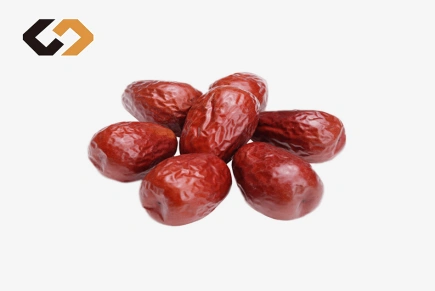
In the international dried fruit market, the terms “red date” and “jujube” are often used interchangeably, but for B2B importers, understanding the nuanced differences particularly between varieties like Jun jujube and Grey jujube is crucial for meeting specific market demands. Both originate from China, with Xinjiang being a primary production region known for its high-quality output.
Jun jujube is a large-fruited variety, often reaching 46–52 mm in length, with thick, chewy flesh and a rich, sweet flavour. Its size makes it ideal for gift packaging, bakery fillings, and direct retail as a premium snack. In contrast, Grey jujube is smaller (typically 210–230 pieces per kilogram), with thin skin, fine texture, and a melt-in-the-mouth sweetness. This variety is preferred for tea infusions, health products, and recipes requiring a more delicate texture.
For importers, selecting the right variety depends on the end-use application and target consumer preferences. Both varieties are available in grades such as Grade I and Grade II, offering flexibility across price points. Sourcing from FDA-registered and BRCGS-certified facilities also ensures compliance with international food safety standards .
Key Takeaway: Understanding the distinction between Jun and Grey jujube enables importers to optimise their product mix and appeal to diverse customer segments.
Keywords: dried red dates wholesale, jujube fruit export, Grade I red dates, China jujube factory